Coffee Plantations In The Philippines. Brew bar farm to cup which opened in march 2021 and included a coffee nursery and a coffee plantation. As tourists enter a community, many other related businesses will see revenue growth.
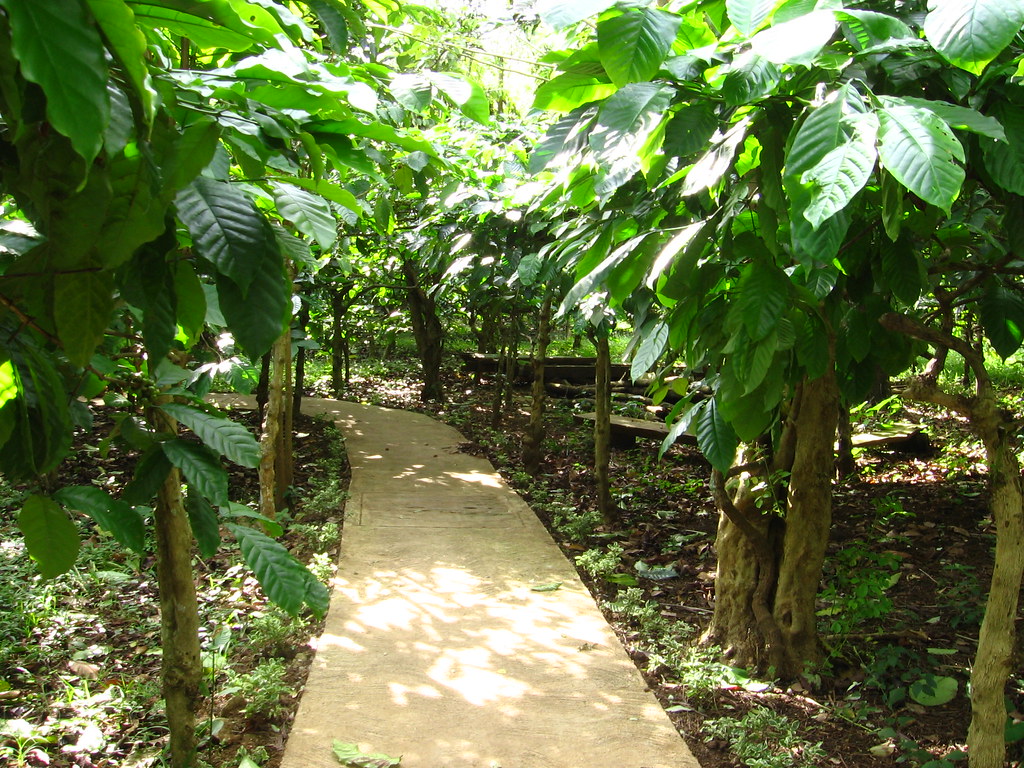
It is a system that increases productivity and ensures higher yields. Growth in the 19th century following the aftermath of the american civil war, in the 1865, there was a sudden increase of demand for philippine coffee in the united states since it became cheaper importing. Over the years, it has built and developed its mills in sitio kisbong and belis (benguet) and pigtauranan (bukidnon).
Arabica Coffee In The Philippines
Coffee in the time of impunity (2020) [click to view] [8] mindanews. The philippine coffee board, inc. Partnering with local farmers, kalsada is committed to elevating the coffee culture in the philippines.
Kalsada Now Sources Their Beans From These Mills While Making Sure They Pay Farmers Above Fair Trade Prices.
Having a bitter and strong flavour, manufacturers mostly use robusta to produce instant coffee. Do some research about the soil where coffee plants grow and also check which coffee plant is fe (pcbi) is initially investing some php10 million for the establishment of its.
Most Of Our Coffee Plantations Are Of The Robusta Variety, As This Type Can Bloom In Lowlands.
Heroica (hacc) is a fully integrated arabica coffee enterprise regenerating the neglected philippine highland regions of kalinga and piddig. Brew bar farm to cup which opened in march 2021 and included a coffee nursery and a coffee plantation. Don’t keep ripe and overripe berries in the plantation.
Robusta Is Another Top Coffee Variety That Is Produced In The Philippines.
Coffee plantations became part of the foundation of batangas’ economy and lipa was later labeled as the coffee capital of the philippines. It is a system that increases productivity and ensures higher yields. And as long as there are coffee drinkers, coffee.
Coffee Tourism Also Has The Potential To Strengthen Local Economies.
As tourists enter a community, many other related businesses will see revenue growth. Of the 86,000 hectares allotted for coffee farming, around 25,000 hectares are located. Introduced in the philippines in 1740, coffee remains one of the country's leading export commodities.


Leave a Reply