Bleached Vs Natural Coffee Filters. Some even argue you don’t have to rinse bleached filters at all. Well, as it turns out, a common complaint from people is that unbleached filters do impart a stronger “papery” taste than the bleached ones, which taste “cleaner.”.
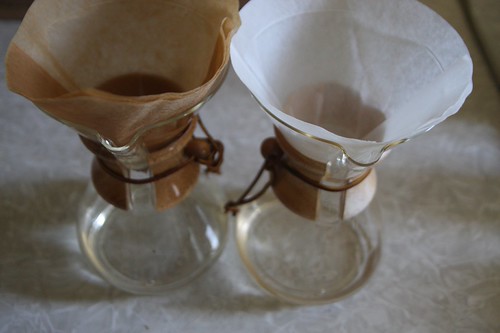
⠀⠀but actually, even though i felt super awkward talk. During the bleaching process, the agent used is either oxygen or chlorine. Contrary to popular belief, the brown color doesn’t mean these filters are made with recycled paper.
During The Bleaching Process, The Agent Used Is Either Oxygen Or Chlorine.
When it comes to buying a box of filters, we’ve all been put to the decision between. If one filter were to negatively impact the flavor of your coffee, it would be the natural filter. If not properly rinsed before brewing, a natural filter can impart a woody, papery taste to your coffee that is generally unpleasant.
As Of July 29, 2022 6:05 Am.
Bleached coffee filters are fine to use. There is perhaps no greater influencer on the outcome of a cup of coffee than the filter (or none) through which it is brewed—other than the coffee itself, of course. They are, for one, less processed compared to bleached filters, as is evident from their.
Because Bleached Coffee Filters Are Unnatural, They Take Longer To Dispose Of.
Some even argue you don’t have to rinse bleached filters at all. Some companies make brown coffee filters. I’ve long wanted to compare the two kinds of.
The Main Difference Between Brown And White Coffee Filters Is The Materials They’re Made From.
(smell the filter after running some hot water through. Bleached using chlorine for a beautiful even, white color. A fresh, white paper filter in a filter basket full of ground coffee is an image that many people recognize and associate immediately with coffee, even though several brewing methods exist.
Unbleached Coffee Filters Skip The Bleaching Phase Thus Reducing Harm To The Environment, Which Is Why They Retain Their Natural Brown Color.
To prevent adding unwanted flavors to your drink, it’s highly recommended to rinse your filter with hot water once or twice before brewing. (almost all the paper you use has been bleached.) because they’re less processed, they are a better option for the environment. If you’re wondering about the difference between brown versus white coffee filters, here is the only thing you need to know:


Leave a Reply